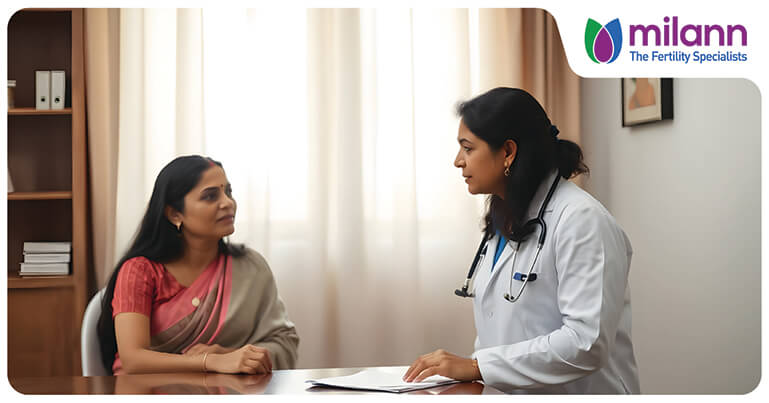
For many women, the word hysteroscopy alone can trigger anxiety. Often, it is not the procedure itself but the fear of pain that causes hesitation or delays. When a doctor recommends hysteroscopy to investigate infertility, abnormal bleeding, or uterine concerns, it can feel overwhelming, especially if clear explanations are missing.
The truth is that fear of pain is one of the most common reasons women postpone this important test. Yet, hysteroscopy is also one of the most informative and precise tools in gynaecology. Understanding what the procedure actually feels like, how pain is managed, and how safety is prioritised can help you approach it with confidence rather than fear.
Does hysteroscopy cause pain? What women actually feel
Pain perception during hysteroscopy varies from woman to woman, and much depends on the type of hysteroscopy being performed. Diagnostic hysteroscopy, which is used to examine the uterine cavity, is often described as uncomfortable rather than painful. Many women experience sensations similar to mild menstrual cramps or pressure in the lower abdomen. These sensations are usually brief and subside soon after the procedure.
Operative hysteroscopy, which involves treating conditions such as polyps, fibroids, adhesions, or a uterine septum, may require stronger pain control. Because these procedures are more involved, doctors typically recommend anaesthesia to ensure comfort throughout.
Anxiety also plays a significant role in how pain is perceived. When a woman feels tense or fearful, even mild discomfort can feel amplified. This is why clear communication and emotional reassurance are just as important as medical pain relief.
Dr. R Suchindra, Senior Consultant - Reproductive Medicine explains, “Most women fear hysteroscopy because they imagine severe pain. In reality, with the right approach and pain management, the majority tolerate it very well and are surprised by how manageable it feels.”
The role of anaesthesia and pain management options
One of the most reassuring aspects of hysteroscopy today is the range of pain management options available. Doctors choose the method based on the type of procedure, the patient’s medical history, and her comfort level.
For diagnostic hysteroscopy, many centres perform the procedure without general anaesthesia. A thin hysteroscope is used, and discomfort is kept minimal. In some cases, local anaesthesia or oral pain relief may be offered to reduce cramping.
Operative hysteroscopy is usually performed under regional or general anaesthesia. This ensures that the patient feels no pain during the procedure and remains relaxed throughout. The choice of anaesthesia is discussed in advance, allowing women to understand what to expect and feel reassured about safety.
Importantly, pain management does not end when the procedure is over. Mild cramping or spotting afterwards is common, but this is usually short-lived and managed easily with medication and rest. Most women return to normal activities within a day or two.
Safety profile and complication risks
Beyond pain, safety is another major concern for women considering hysteroscopy. It is natural to worry about complications, especially when the uterus is involved. The good news is that hysteroscopy is considered a very safe procedure when performed by experienced specialists.
Complications such as infection, excessive bleeding, or uterine injury are rare. Advances in equipment, imaging, and surgical technique have significantly improved safety outcomes. Doctors carefully assess whether hysteroscopy is appropriate and choose the least invasive approach needed.
Women undergoing hysteroscopy for fertility evaluation often worry about long-term effects on their ability to conceive. In reality, hysteroscopy frequently improves fertility outcomes by identifying and correcting issues that might otherwise go unnoticed.
Understanding the safety profile helps shift the focus from fear to benefit. For many women, hysteroscopy becomes a turning point in diagnosis and treatment, rather than something to dread.
How Milann ensures patient comfort during hysteroscopy
At Milann, patient comfort is not treated as an afterthought. It is built into every step of the hysteroscopy process, from the first consultation to post-procedure care.
Before the procedure, doctors take time to explain why hysteroscopy is recommended, what type is needed, and how pain will be managed. This transparency helps reduce anxiety and builds trust. Women are encouraged to share their fears openly, and their concerns are addressed without judgment.
During the procedure, Milann uses advanced hysteroscopic equipment designed to minimise discomfort and improve precision. Anaesthesia protocols are individualised, ensuring that each woman receives the level of pain control appropriate for her procedure and comfort needs.
After hysteroscopy, patients are monitored carefully and guided on what to expect during recovery. Clear instructions and access to medical support help women feel safe even after they return home.
This patient-first approach reflects Milann’s belief that emotional reassurance is just as important as medical expertise. When women feel heard and supported, procedures become less frightening and more empowering.
Reframing fear into informed choice
Fear often grows in silence. When women are not given clear information, imagination fills the gaps, usually with worst-case scenarios. Hysteroscopy, however, is not meant to be an ordeal. It is a diagnostic and therapeutic tool designed to provide clarity, answers, and often relief.
If you have been delaying hysteroscopy because of fear of pain, know that you are not alone. Many women share the same worry, and most come away relieved after understanding the reality. With modern pain management, skilled specialists, and compassionate care, hysteroscopy is far more comfortable than many expect.
Taking care of your reproductive health sometimes requires facing uncomfortable conversations, but it should never mean enduring unnecessary suffering. The right care environment makes all the difference.
Don’t let fear hold you back. Experience safe, comfortable hysteroscopy with Milann’s expert team, where your comfort, dignity, and well-being always come first.
Reviewed by Dr. R Suchindra, Senior Consultant - Reproductive Medicine, Indiranagar.