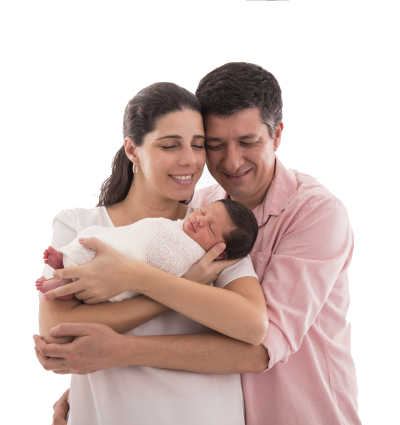
The weeks and months after childbirth are filled with change. Your body is recovering, your emotions may feel heightened, and daily life now revolves around caring for a newborn. For many women who are breastfeeding, thoughts about future fertility arise quietly in the background. You may be wondering whether breastfeeding truly prevents ovulation, whether your body is ready to conceive again, or whether using a fertility calculator makes sense at this stage.
Breastfeeding does affect hormones, often delaying the return of regular periods. Yet ovulation can still happen unexpectedly, even before the first postpartum period appears. This can leave women feeling uncertain and, at times, anxious about fertility tracking. A
fertility calculator may seem like a reassuring tool, but how reliable is it while breastfeeding? This article explores how ovulation works postpartum, the challenges of using a fertility calculator during this phase, and how to approach fertility planning with care and clarity.
How breastfeeding impacts ovulation and menstrual cycles
Breastfeeding plays a powerful role in shaping postpartum fertility. When a baby nurses frequently, the body releases higher levels of prolactin, a hormone that supports milk production. Prolactin suppresses the hormones responsible for ovulation, which is why many women experience delayed periods while breastfeeding.
However, this suppression is not absolute. The causes of fertility calculator inaccuracies during breastfeeding lie in the unpredictable nature of hormonal shifts. As feeding patterns change, such as longer gaps between feeds or the introduction of complementary foods, prolactin levels may fall. Ovulation can then resume without clear warning signs.
Some women regain ovulation within a few months of childbirth, while others may not ovulate for a year or more. Symptoms that suggest fertility is returning can include changes in cervical mucus, subtle pelvic discomfort, or mood shifts around hormonal fluctuations. Yet for many, these symptoms are easy to miss amid the demands of caring for an infant.
It is also important to note that the first ovulation often occurs before the first postpartum period. This means that relying solely on the absence of menstruation as an indicator of infertility can be misleading. Breastfeeding reduces the likelihood of ovulation, but it does not eliminate it entirely.
Can fertility calculators work without regular periods?
A fertility calculator is designed to predict ovulation based on cycle length and previous menstrual data. When periods are irregular or absent, which is common during breastfeeding, this becomes challenging. This is one of the main challenges with fertility calculators in the postpartum period.
Without regular periods, a fertility calculator has little reliable information to work with. Predictions may be broad or inaccurate, leading to an unsuccessful fertility calculator experience. For women actively trying to conceive, this can feel discouraging. For those hoping to avoid pregnancy, it can create false reassurance.
That said, a fertility calculator is not entirely without value. Used cautiously, it can offer a general framework once cycles begin to reappear. Some women find that tracking patterns over time helps them understand how their body is transitioning back towards fertility. The key is to treat the calculator as a guide rather than a definitive answer.
Doctors often recommend combining digital tools with body awareness. Observing physical signs, such as cervical mucus changes or subtle ovulation discomfort, can provide additional clues. If periods remain absent for an extended time, alternatives to fertility calculators, such as hormonal assessments or ultrasound monitoring, may offer clearer insight.
Signs of returning fertility while breastfeeding
Recognising the return of fertility while breastfeeding can be difficult, particularly when attention is focused on a newborn. Still, the body often gives gentle signals that ovulation is approaching.
One of the earliest signs is a change in cervical mucus, which may become clearer and more elastic as ovulation nears. Some women notice a brief increase in energy or libido, while others experience mild lower abdominal sensations. Emotional changes can also occur, reflecting hormonal shifts as ovulation resumes.
These signs do not always follow predictable patterns postpartum. This unpredictability explains why many women struggle with fertility tracking during breastfeeding. The emotional impact of an unexpected ovulation, whether it leads to pregnancy or not, can be significant. Some women feel caught between hope and uncertainty, especially if they are considering when or whether to try again after childbirth.
Stories of overcoming postpartum fertility confusion often involve patience and support. Many women find reassurance in learning that variability is normal and that fertility usually returns gradually rather than suddenly.
When to consult a fertility specialist postpartum
Questions about fertility after childbirth are deeply personal. Some women are simply curious, while others feel anxious about spacing pregnancies or facing previous fertility challenges. Knowing when to seek professional guidance can ease uncertainty.
If you are asking questions such as why does ovulation happen while breastfeeding, what to do after irregular cycles postpartum, or how to improve chances after childbirth, a fertility specialist can provide clarity. Medical advice is particularly valuable if periods have not returned many months after reducing breastfeeding, if cycles are extremely irregular, or if there is a history of fertility difficulties.
“Breastfeeding can delay ovulation, but it does not guarantee infertility. Fertility calculators can be helpful later on, but during breastfeeding, personalised assessment is far more reliable than predictions alone.”
Dr. Shilpa Ellur, Senior Consultant - Reproductive Medicine & High-Risk Obstetrician.
Consultation does not always mean treatment. Often, it involves reassurance, education, and gentle monitoring. For women who are ready to conceive again, treatment after fertility challenges may include cycle tracking, hormonal evaluation, or advice on optimal timing once ovulation resumes.
Milann’s fertility planning support after childbirth
Milann understands that fertility planning after childbirth is not simply a medical process, it is an emotional one as well. For breastfeeding women navigating uncertainty, support needs to be flexible, compassionate, and evidence-based.
At Milann, clinicians help women interpret what a fertility calculator can and cannot tell them during breastfeeding. Rather than encouraging rigid tracking, the focus is on understanding the body’s signals and recognising when fertility is returning. This approach reduces anxiety and builds confidence.
For women facing challenges with fertility calculators or feeling unsure about next steps after childbirth, Milann offers personalised assessments that look beyond apps and averages. Hormonal evaluations, cycle monitoring, and supportive counselling are integrated into care, ensuring that both physical and emotional needs are addressed.
Milann also supports women who are not yet ready to conceive but want to understand their fertility landscape. Education and reassurance play a central role, empowering women to make informed decisions about their reproductive future.
Moving forward with reassurance and care
Using a fertility calculator while breastfeeding can raise as many questions as it answers. While these tools can offer guidance once cycles become regular, they are limited during the unpredictable postpartum phase. Breastfeeding alters hormones, ovulation may return quietly, and the body’s timeline is unique to each woman.
If you are navigating this stage, remember that uncertainty is not a failure. It is a natural part of recovery and transition. Whether you are hoping to conceive again soon or simply seeking clarity, compassionate medical guidance can make the journey feel less overwhelming.
Planning your next pregnancy?
Let Milann guide you with expert fertility care that respects your body, your emotions, and your individual path forward.
Reviewed by
Dr. Shilpa Ellur - Senior Consultant - Reproductive Medicine & High-Risk Obstetrician Bengaluru, Whitefield.