OVERVIEW
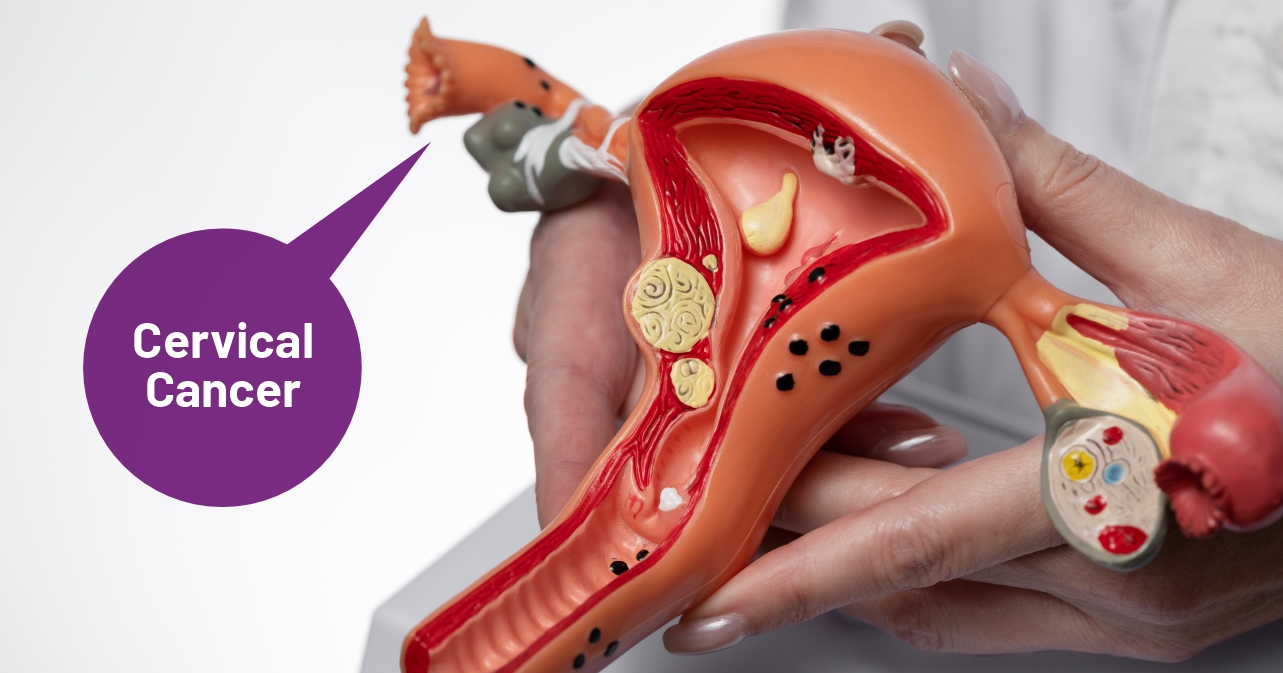
Cervical cancer is a type of cancer that occurs in the cells of the cervix, the entrance to the uterus from the vagina. Each year, more than half a million women are diagnosed with cervical cancer worldwide and the disease results in over 300 000 deaths. People between the ages of 35 and 44 are most frequently diagnosed with cervical cancer. Various strains of the human papillomavirus (HPV), a sexually transmitted infection, play a role in causing most cervical cancers. HPV spreads through sexual contact and can lead to cancer. Most people will get HPV at some point in their lives but this usually goes undetected because their bodies fight the infection. However, if your body doesn't fight the infection, it can cause the cells of your cervix to change to cancerous cells. Although most infections with HPV resolve spontaneously and cause no symptoms, persistent infection can cause cervical cancer in women. You can reduce your risk of developing cervical cancer by having screening tests and receiving the HPV vaccine that protects against HPV infection in upto 90% of all cervical cancers. The disease is largely preventable. Approximately 90% of cervical cancers occur in low-income and middle-income countries that lack organised screening and HPV vaccination programmes. In high-income countries, cervical cancer incidence and mortality have more than halved over the past 30 years since the introduction of formal screening programmes. Receiving regular gynecological exams, getting Pap tests and practicing safe sex are the most important steps that you can take toward the prevention of cervical cancer. SIGNS & SYMPTOMS Early stages of cervical cancer don't usually involve symptoms and are hard to detect. The first signs of cervical cancer may take several years to develop. Signs and symptoms of Stage 1 cervical cancer include:Contact us today to schedule your appointment and embark on your journey to parenthood.


Milann has been redefining high-tech fertility care in India by offering individuals access to advanced medical diagnosis and treatment options available in the field of Assisted Reproduction Technology (ART).