OVERVIEW
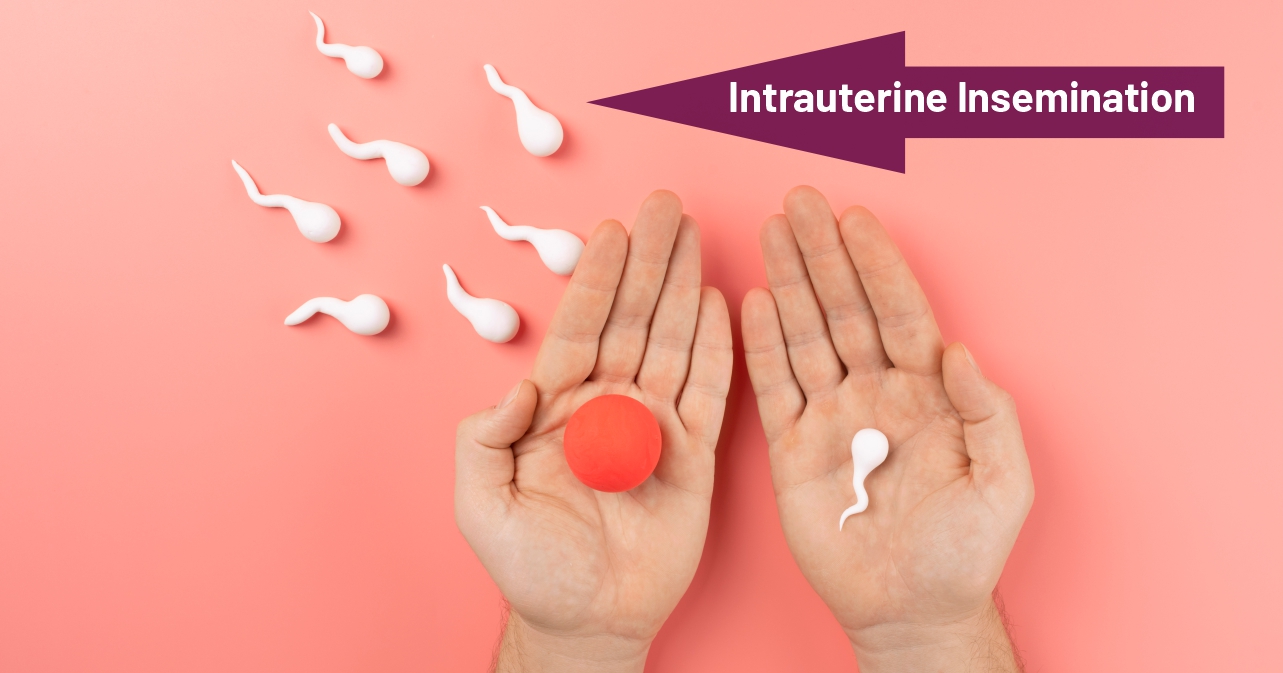
Intrauterine insemination is a widely utilized technique that involves the deposition of a processed semen sample in the uterine cavity, overcoming natural barriers to sperm ascent in the female reproductive tract. It is, non-invasive, cost effective and often successful procedure hence should be offered as first line therapy for most sub-fertile couples. WHEN IS IUI HELPFUL? There are many reasons why couples experience difficulty in having a baby. IUI may be useful for some of them. Male Infertility: IUI is most commonly used when the male partner has a low sperm count (mild oligozoospermia) or if the movement of the sperm (motility) is less than ideal called as mild asthenospermia, and abnormal shape of sperms (teratozoopermia). But also, IUI is useful for couples that are infertile because the male has problems developing an erection or being able to ejaculate. For example, retrograde ejaculation, where the sperm are released backwards into the bladder, instead of through the penis, at the time of male orgasm. Sperm ejaculated into the bladder can be taken from urine and used for IUI. Also, IUI may help if the man has an abnormal urethral opening (opening of the penis), and in some immunological factors as well. Female Infertility: In women with abnormal mucus that acts as barrier for sperm and prevents their ascent, IUI helps to bypass a possible cervical factor. Additionally sperms are washed and examined so that maximum motile and healthy sperms are selected which can increase the chances of success in fertilizing the egg. IUI is also indicated in women with anatomic defects of vagina or cervix, as this procedure helps in proper placement of semen sample in the uterine cavity overcoming the structural abnormality. Women who do not release an egg regularly (anovulation) may be given medications to help them ovulate regularly. These women may need IUI to time insemination at about the same time as ovulation. Also, IUI is helpful in woman with mild to moderate endometriosis (surgically corrected). Third party reproduction: IUI is performed when couples use sperm from a man who is not the woman’s partner to have a baby. This is called donor insemination (DI). DI is commonly performed when there are no sperms in semen or the sperm quality is so severely damaged that his sperm can’t be used for conception and in vitro fertilization is not an option. DI can also be used if the man has certain genetic diseases that he does not want to pass on to his children (Haemophilia, Huntington’s chorea, Rh-incompatibility). Unexplained Infertility: IUI is indicated in couples with unexplained infertility such as normal findings in initial workup in both the partners, failure in conventional treatment, very mild male sub-fertility. Fertility preservation: Men may collect and freeze (cryopreserve) their sperm for future use before having a vasectomy, testicular surgery, or radiation/chemotherapy treatment for cancer. The sperm can then be used later for IUI. Limitations IUI has limited use in patients with endometriosis, severe male factor infertility, tubal factor infertility, and advanced maternal age >35 years. It is contraindicated in women with blockage of both fallopian tubes, cervical atresia, endometritis, severe endometriosis (stage 3 & 4). IUI may be performed with or without ovarian stimulation. IUI in Natural cycle: The woman is monitored on sonography for development of dominant follicle and insemination is timed to coincide with ovulation - release of the eggs. IUI with COS (Controlled Ovarian Stimulation): Women with anovulation may be given medications to stimulate development and maturation of egg to increase likelihood of pregnancy, once ovulation is confirmed on sonography, IUI is done. It may also be considered as an option for women while waiting for IVF or when in women with patent tubes IVF is not affordable. Drugs used for stimulation include clomiphene citrate, tamoxifen with or without gonadotrophins according to various protocols which are individually tailored according to patients. Compared with natural cycle IUI ovarian stimulation improves outcome in couples with unexplained and mild male factor sub-fertility. TIMING OF IUI IUI may be timed 34 – 36 hr after the administration of 5,000 IU of hCG IM, which is timed following evidence of one or more follicle ≥ 18 mm during ultrasound monitoring of follicles. Alternatively, IUI may be timed after sonographic evidence of follicular rupture and free fluid in the Pouch of Douglas. PROCEDURE OF IUI The semen sample is processed in the laboratory by centrifugation. This not only separates highly motile functional sperm with normal morphology in high percentage, but also removes seminal plasma that contains prostaglandins and cytokines as well as possible antigenic or infectious matter along with non-vital sperms and debris. Various media and techniques can be used for the washing and separation. Sperm processing takes about 30-60 minutes. A speculum is placed in the vagina and the cervical area is gently cleaned. The washed specimen of highly motile sperm is placed in the uterine cavity (intrauterine insemination, IUI) using a sterile, flexible catheter thus increasing the possibility of conception. The procedure takes only few minutes and minimal discomfort.Contact us today to schedule your appointment and embark on your journey to parenthood.


Milann has been redefining high-tech fertility care in India by offering individuals access to advanced medical diagnosis and treatment options available in the field of Assisted Reproduction Technology (ART).