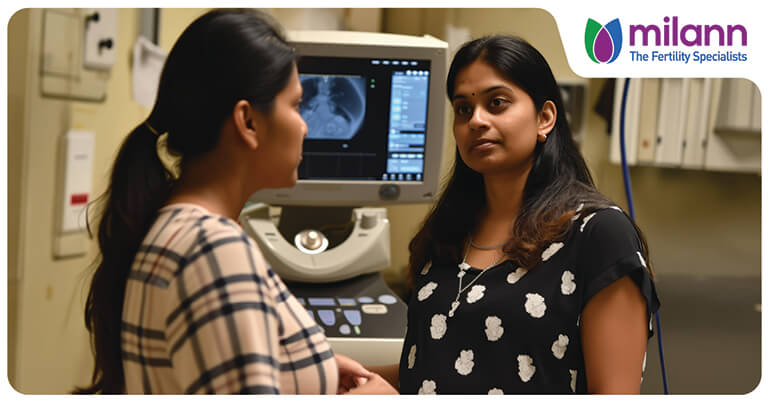

Embryo transfer is an incredibly delicate moment in the IVF process. What you do after embryo transfer can significantly influence your chances of a successful pregnancy. While the embryo is microscopic, your body’s internal environment, your mindset, and even your everyday actions can play a role in creating the ideal conditions for implantation. This blog serves as a guide that focuses on what to do and what to avoid after embryo transfer to boost your chances of success.
Dos After Embryo Transfer
One of the most crucial things you can do after an embryo transfer is to take your prescribed medications exactly as instructed, especially progesterone, which helps prepare and support the uterine lining. Along with medication adherence, staying hydrated and eating balanced meals rich in nutrients, such as leafy greens, whole grains, lean protein, and healthy fats, can support your body during this crucial period.
Get sufficient rest, but don’t lie on your bed all day. Gentle activities like short walks promote circulation and help reduce stress. Also, consider practices that enhance mental well-being, such as meditation, journaling, listening to calming music, or spending time with loved ones who offer positivity and support.
Don’ts After Embryo Transfer
There’s no shortage of myths and misinformation available about what to avoid after embryo transfer. While you don’t need to overhaul your life, certain precautions can help optimise your body for implantation.
Avoid high-impact exercise, heavy lifting, and anything that drastically increases core body temperature, such as hot yoga or saunas. Most importantly, avoid smoking, alcohol consumption, and excessive caffeine, all of which can negatively impact implantation and early pregnancy. Don’t skip or modify medications without talking to your doctor. Finally, try not to Google every symptom or change you experience; overanalysing can fuel unnecessary anxiety.
Common Myths About Embryo Transfer
One of the most common misconceptions is that complete bed rest improves success rates after embryo transfer. However, studies show that light movement is not only safe but potentially beneficial. Extended bed rest can increase stress levels, disturb sleep, and make you feel more disconnected from daily life, all of which can have a subtle but tangible effect on your emotional well-being.
Similarly, don’t rely on early symptoms to determine whether the transfer was successful. Mild cramping, bloating, or even spotting can occur for many reasons. The only way to confirm pregnancy is through a beta hCG blood test conducted around 9–14 days after the transfer.
Emotional Support After Embryo Transfer
The two-week wait can feel like an eternity. It is essential to recognize and care for your mental health during this period. Anxiety, hope, fear, and anticipation can exist all at once, and that is completely normal. If you find yourself overwhelmed, consider seeking support from a counselor, joining a fertility support group, or simply speaking openly with your partner or a trusted friend.
Practices like guided meditation, breathing exercises, and gratitude journaling can help center your thoughts and reduce anxiety. Even small routines, such as enjoying morning tea in the sun or limiting time spent on IVF forums, can help ground you.
Follow-Up Procedures After Embryo Transfer
Progesterone support is one of the most critical aspects of post-transfer care. It helps maintain the uterine lining and creates a stable environment for the embryo to develop. Depending on your treatment plan, progesterone may be given via injections, vaginal suppositories, or oral medications. Follow your doctor’s instructions carefully and don’t stop medication until advised.
Your clinic will also schedule follow-up blood tests and ultrasounds to monitor the pregnancy’s progression if it is successful. These follow-ups are key to ensuring that the early pregnancy is developing as expected and can provide both reassurance and guidance.
Compassionate Care At Milann
At Milann, we understand how vulnerable and hopeful this stage can be. Our IVF care team is here to support you with personalized guidance, emotional support, and medical expertise. Whether you’re recovering from a previous IVF attempt or navigating your very first cycle, we walk this path with you. Book a consultation today to receive compassionate, expert care tailored to your journey.
Reviewed by
Dr. Keerthana Ravipati - Consultant - Reproductive Medicine, JP Nagar, HSR Layout.