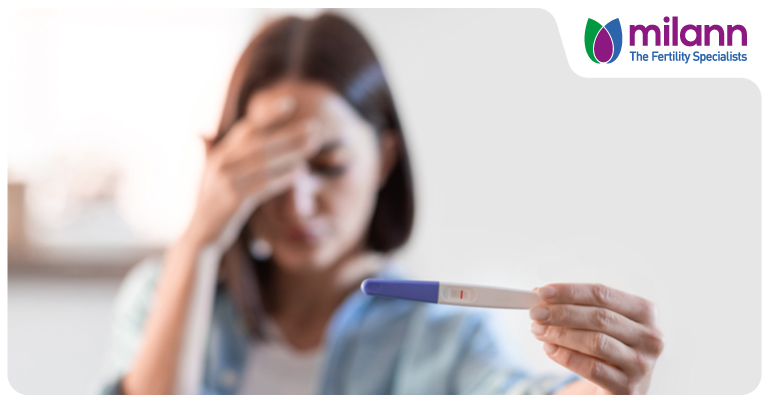
For many women, the dream of becoming a mother is something they’ve carried for years. But when months or even years pass without success, that dream can begin to feel fragile. Infertility is often spoken about in whispers, carrying both emotional weight and social stigma. What’s less discussed, however, are the many female infertility causes that may silently interfere with conception.
The truth is, infertility is not a reflection of a woman’s worth, strength, or effort. It is a medical condition with multiple potential explanations, many of which can be identified and treated with the right support. Understanding these silent barriers is the first step toward hope, healing, and the possibility of parenthood.
Hormonal and Ovulation Disorders
One of the most common causes of female infertility is linked to ovulation. For conception to happen, the ovaries must release a healthy egg, but several conditions can disrupt this delicate process.
Polycystic Ovary Syndrome (PCOS) is perhaps the most well-known hormonal condition affecting fertility. It disrupts ovulation through irregular hormone production, often causing missed periods, difficulty predicting fertile days, and challenges with egg maturation. Beyond PCOS, other hormonal imbalances, such as thyroid disorders or high levels of prolactin, can also interfere with ovulation.
The
symptoms of female infertility causes linked to hormonal health are not always obvious. Some women experience irregular cycles, while others may have seemingly regular periods but still face difficulties conceiving. This is why medical evaluation is crucial, because often the signs are hidden beneath the surface.
Structural Infertility Causes
While hormones play a central role, sometimes the barrier lies within the reproductive system itself. Structural causes can prevent sperm and egg from meeting or hinder the embryo from implanting.
Blocked fallopian tubes are a common yet silent reason for infertility. These blockages may result from pelvic infections, past surgeries, or conditions like tuberculosis in some regions. Without open tubes, the sperm and egg cannot meet, making natural conception impossible.
Endometriosis is another significant factor. In this condition, tissue similar to the lining of the uterus grows outside of it, often causing painful periods and, more importantly, creating a hostile environment for conception. It may lead to scarring, adhesions, or changes in the pelvic anatomy that interfere with both fertilisation and implantation.
Uterine abnormalities, such as fibroids, polyps, or congenital anomalies, can also affect a woman’s ability to carry a pregnancy. Sometimes these issues go undetected for years, only surfacing during fertility evaluations.
Lifestyle and Environmental Contributors
Beyond medical diagnoses, everyday habits and environmental exposures can also influence fertility. Smoking, excessive alcohol use, and poor nutrition have all been linked to challenges in conceiving. Even seemingly small factors, such as chronic stress or sleep disturbances, can disrupt hormonal balance and ovulation.
Environmental factors are gaining more attention too. Exposure to certain chemicals, pollution, and endocrine-disrupting substances in food or packaging can subtly affect reproductive health over time. While these issues are harder to control, awareness can help women make more informed lifestyle choices.
It’s also important to note that
female infertility causes are not always within a woman’s control. Age, for example, is one of the most significant factors influencing fertility. After the age of 35, egg quantity and quality begin to decline more rapidly, making conception more difficult and pregnancy risks slightly higher.
The Emotional Impact of Infertility
Medical explanations are only part of the story. The emotional impact of infertility is profound. Many women describe feelings of guilt, frustration, or inadequacy, even though infertility is a medical condition, not a personal failing.
Coping with female infertility causes often requires both medical support and emotional care. Joining support groups, speaking with counsellors, or simply sharing openly with trusted loved ones can make a meaningful difference. It’s equally important for couples to navigate this journey together, as infertility affects relationships as much as individuals.
As, Dr. Anu Sadashiv, Consultant - Reproductive Medicine, Obstetric & Gynecologist, at Milann shares:
"Infertility is never just a medical diagnosis; it carries an emotional weight that is often underestimated. The key is to approach it with both precision medicine and compassionate support, so couples feel guided rather than lost."
This compassionate lens is essential, because beyond science, infertility care is about honoring the emotional journey as much as the medical one.
When to Seek Medical Help
One of the most important steps in overcoming infertility is knowing when to seek help. Doctors often recommend evaluation if you’ve been trying to conceive for over a year without success (or six months if you’re over 35). Early diagnosis can save precious time, especially when ovarian reserve or other age-related factors come into play.
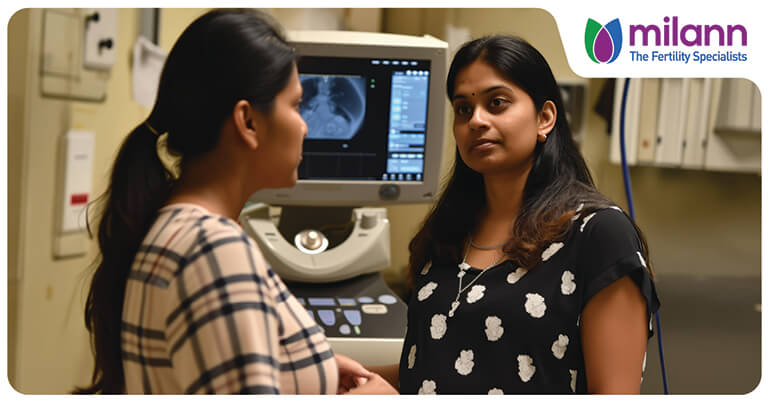
At Milann, our specialists focus on uncovering the hidden causes behind unsuccessful attempts at conception. From advanced imaging and hormonal evaluations to minimally invasive procedures like hysteroscopy, we aim to provide clarity where there is uncertainty.
Understanding the
treatment after female infertility causes are identified is equally vital. Depending on the diagnosis, treatment may include lifestyle modifications, medications to regulate hormones, surgical correction of structural issues, or assisted reproductive technologies like
IVF. For women with severely low ovarian reserve, alternatives such as donor eggs can also open doors to motherhood.
Book A Consultation With Milann
Infertility is not the end of the road, it is a challenge with multiple possible solutions. The
causes of female infertility may be complex, but with awareness, timely evaluation, and compassionate care, the path to parenthood becomes clearer.
If you’re struggling to conceive, don’t wait in silence or blame yourself. Understanding what to do after female infertility causes are identified is the key to moving forward. At Milann, we specialize in finding these silent barriers and tailoring treatments to each woman’s unique needs.
Your story is still unfolding. With the right support, expertise, and care, there is every reason to hope that your next chapter could be one of parenthood.
Reviewed by
Dr. Anu Sadashiv B Consultant - Reproductive Medicine, Obstetric & Gynecologist, Kumarapark.